Influence Profile
No genre data available
Genre information will appear here once available
Trending in Boubacar Traoré’s World
Latest Album
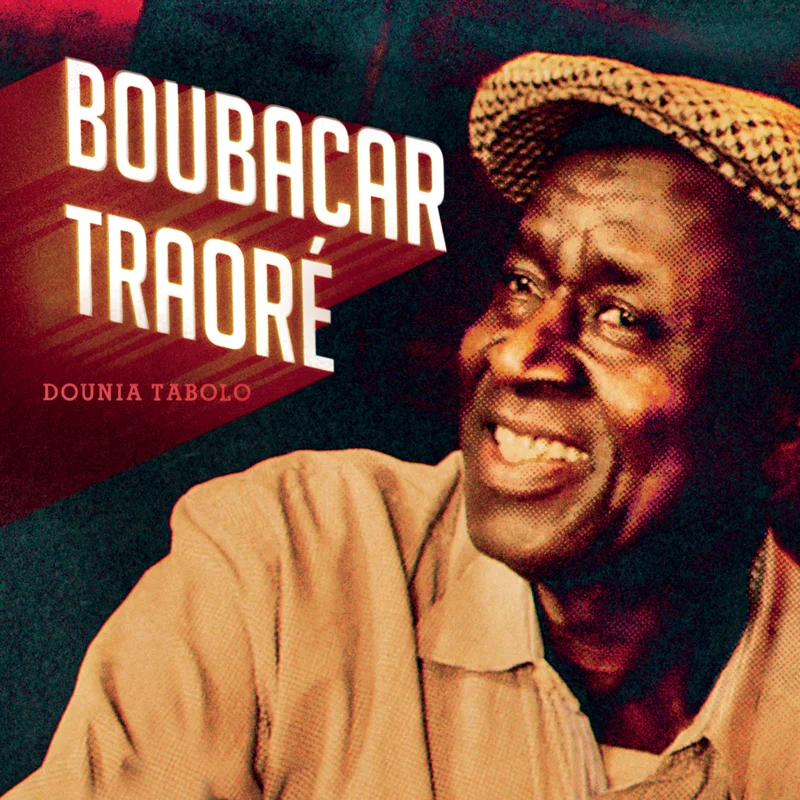
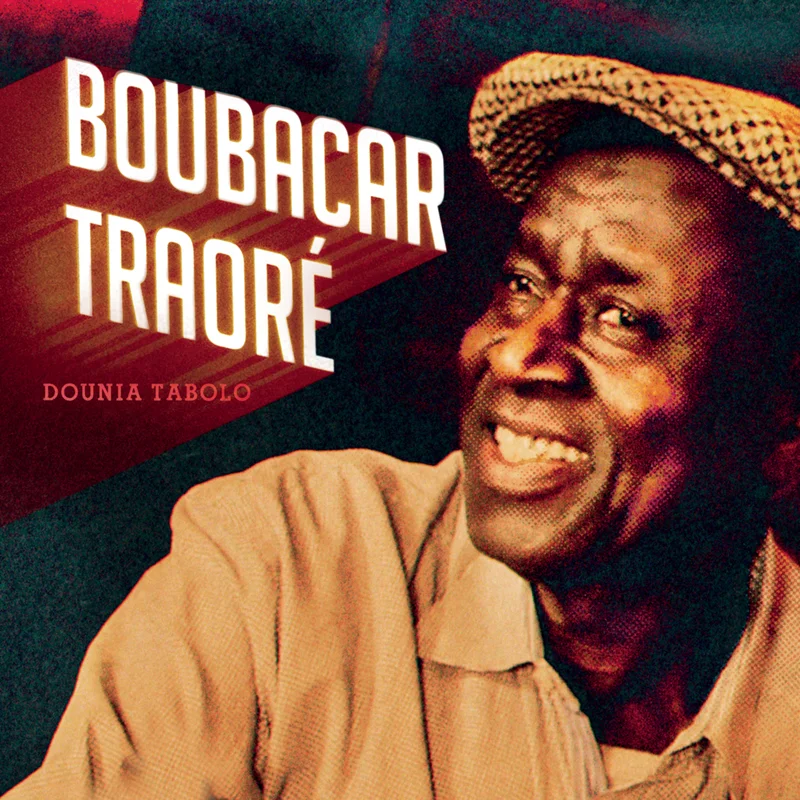
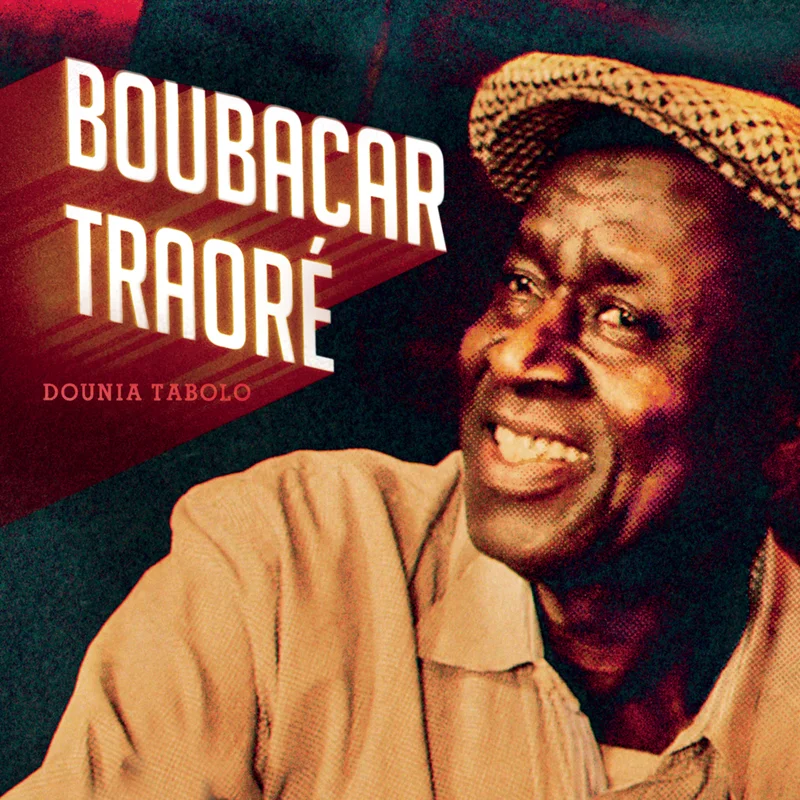
Dounia Tabolo
Released Nov 17, 2017
Trending Globally
Story
Quick Facts
Born
1942
1942
From
Mali
Mali
Journey
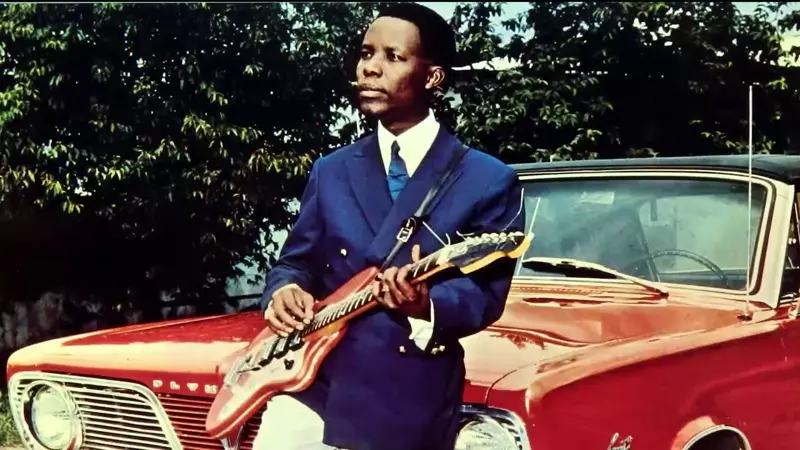
Few artists have shaped the sound and identity of modern Malian music as profoundly as Boubacar Traoré. Affectionately known as "Kar Kar," he is a celebrated singer, songwriter, and guitarist whose distinctive blend of Manding traditions, West African rhythms, and blues has influenced generations of musicians. Over a career spanning more than six decades, Traoré has become one of Mali's foremost cultural ambassadors, earning international admiration for a musical style that bridges African heritage and global folk traditions. Often described as the "father of Malian blues" and the "Elvis of Mali," he remains one of Africa's most respected musical pioneers.
Born in 1942 in Kayes, Mali, Boubacar Traoré displayed remarkable talent long before music became his profession. As a gifted footballer, his exceptional dribbling ability earned him the nickname "Kar Kar," a name that would remain with him throughout his artistic career.
His interest in music developed during his teenage years when, at the age of seventeen, he secretly learned to play the guitar by watching his older brother, who had studied music in Cuba. Rather than adopting conventional techniques, Traoré created his own finger-picking approach inspired by the flowing patterns of the kora, the traditional West African harp. Alongside Manding musical traditions, he absorbed influences from Cuban music, American blues, and jazz, forming a distinctive sound that would later define his career.
As Mali celebrated its independence in 1960, Traoré emerged as one of the country's first modern popular musicians. During the presidency of Modibo Keïta, artists outside the hereditary griot tradition found greater opportunities to perform, and Traoré quickly became one of the nation's most recognizable voices.
Songs such as "Kar Kar Madison," "Sunjata," "Kayeba," and "Mali Twist" became staples of national radio and captured the optimism of a newly independent Mali. Despite his enormous popularity, commercial recording opportunities remained limited, and the absence of royalty payments meant that financial success did not accompany his fame.
His career changed dramatically following the military coup of 1968 led by Moussa Traoré. Closely associated with the previous political era, his music largely disappeared from Malian radio. Stepping away from public life, he devoted himself to farming and operated a small business to support his family.
After nearly twenty years away from the spotlight, Traoré unexpectedly returned to public attention through a television appearance in 1987. Around the same period, tragedy struck when his wife, Pierrette, died during childbirth. Seeking work while raising his children, he relocated to France, where he worked in construction. His remarkable story eventually caught the attention of Anne Hunt of Sterns Music, who introduced his music to international audiences and secured his first global recording contract.
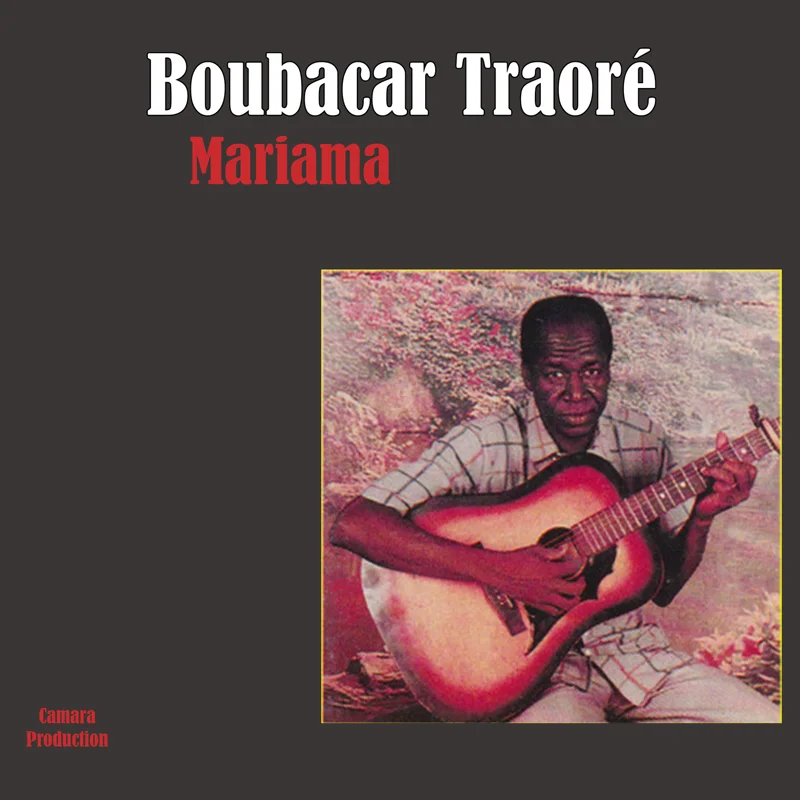
His international debut album, "Mariama" (1990), introduced listeners around the world to his understated guitar work and emotionally resonant songwriting. The album marked the beginning of a successful global career that included performances across Europe, North America, and Africa.
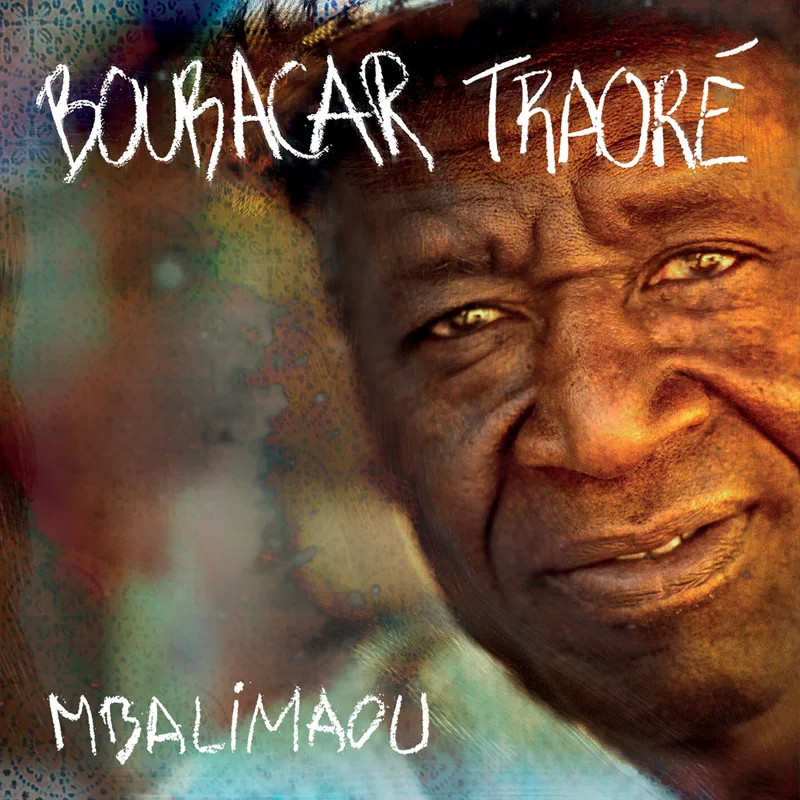
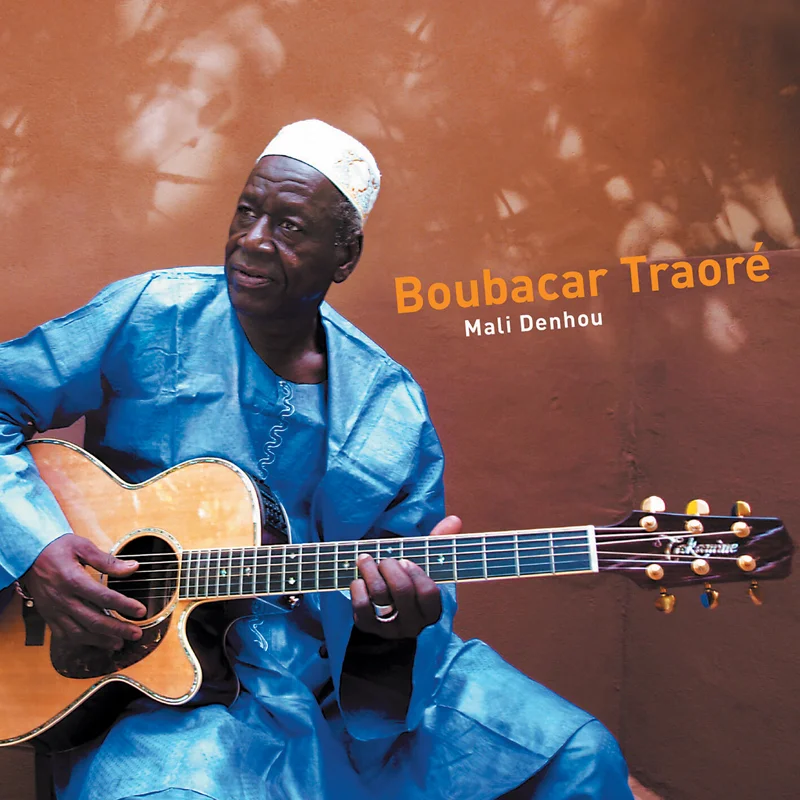
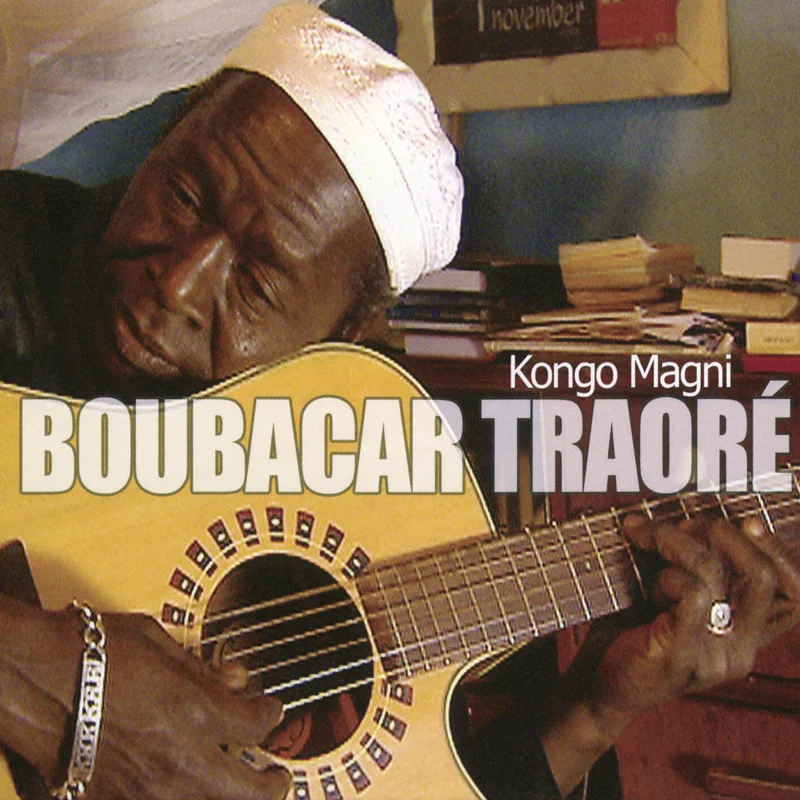
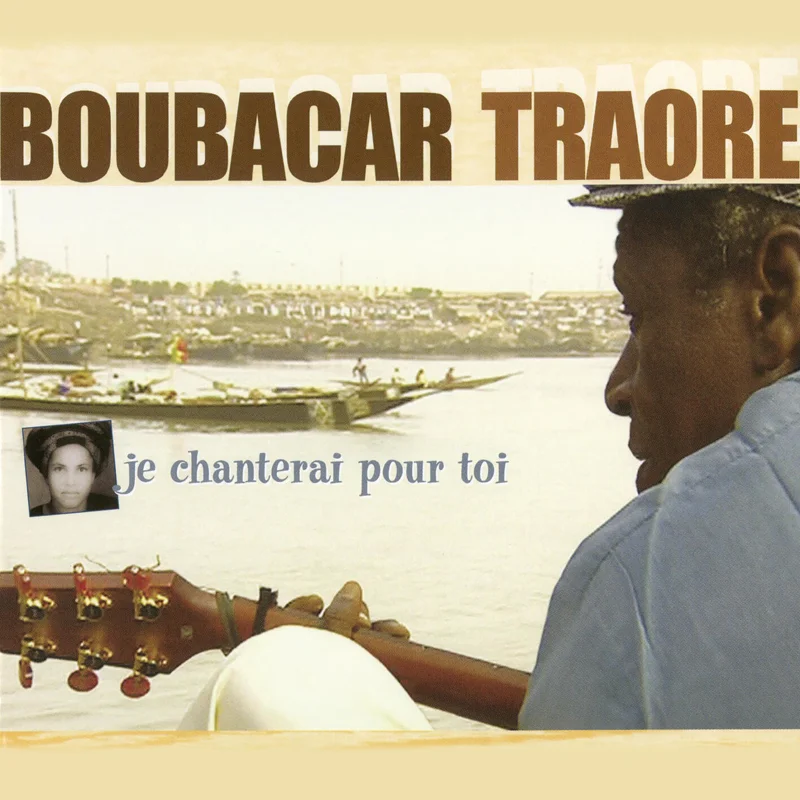
He continued to expand his catalogue with "Kar Kar" (1992), "Les Enfants de Pierrette" (1995), Sa Golo (1996), "Maciré" (2000), "Je Chanterai Pour Toi" (2003), "Kongo Magni" (2005), "Mali Denhou" (2011), "Mbalimao"u (2015), "Dounia Tabolo" (2017), and Live! Boubacar Traoré, Vincent Bucher & Jérémie Diarra (2024), each project reinforcing his reputation as one of Africa's finest acoustic musicians.
Traoré's music draws together traditional Manding melodies, Malian folk, desert blues, acoustic blues, and world music. His performances are distinguished by expressive vocals, intricate finger-picked guitar, minimalist arrangements, and deeply emotional storytelling. Although international audiences often classify his work as blues, Traoré has consistently maintained that his music is fundamentally rooted in Malian tradition, with blues representing only one aspect of his artistic influences.
His songwriting frequently explores love, family, loss, remembrance, rural life, social justice, national identity, hope, and perseverance. Singing primarily in Bamanankan (Bambara), he captures everyday experiences while preserving the cultural heritage of Mali through music.
While his career has not been defined by a large collection of competitive awards, Boubacar Traoré has received enduring international recognition as one of the pioneers of modern Malian music and a leading figure in African blues and Manding traditions. His remarkable life and artistic journey were documented in the acclaimed 2001 film Je chanterai pour toi (I'll Sing for You), further introducing his story to audiences around the world.
Today, Traoré is regarded as one of the architects of contemporary Malian music. His innovative guitar technique has inspired countless musicians, while acclaimed artists, including Bill Frisell, have praised the originality and emotional depth of his work. His influence continues to extend far beyond Mali, connecting traditional African music with audiences across the globe.
Boubacar Traoré is an active performer. In 2024, he released his first live album alongside harmonica player Vincent Bucher and percussionist Jérémie Diarra, demonstrating that his artistry remains as compelling as ever. When not touring internationally, he returns to his home in Bamako, where he enjoys farming vegetables and raising sheep.